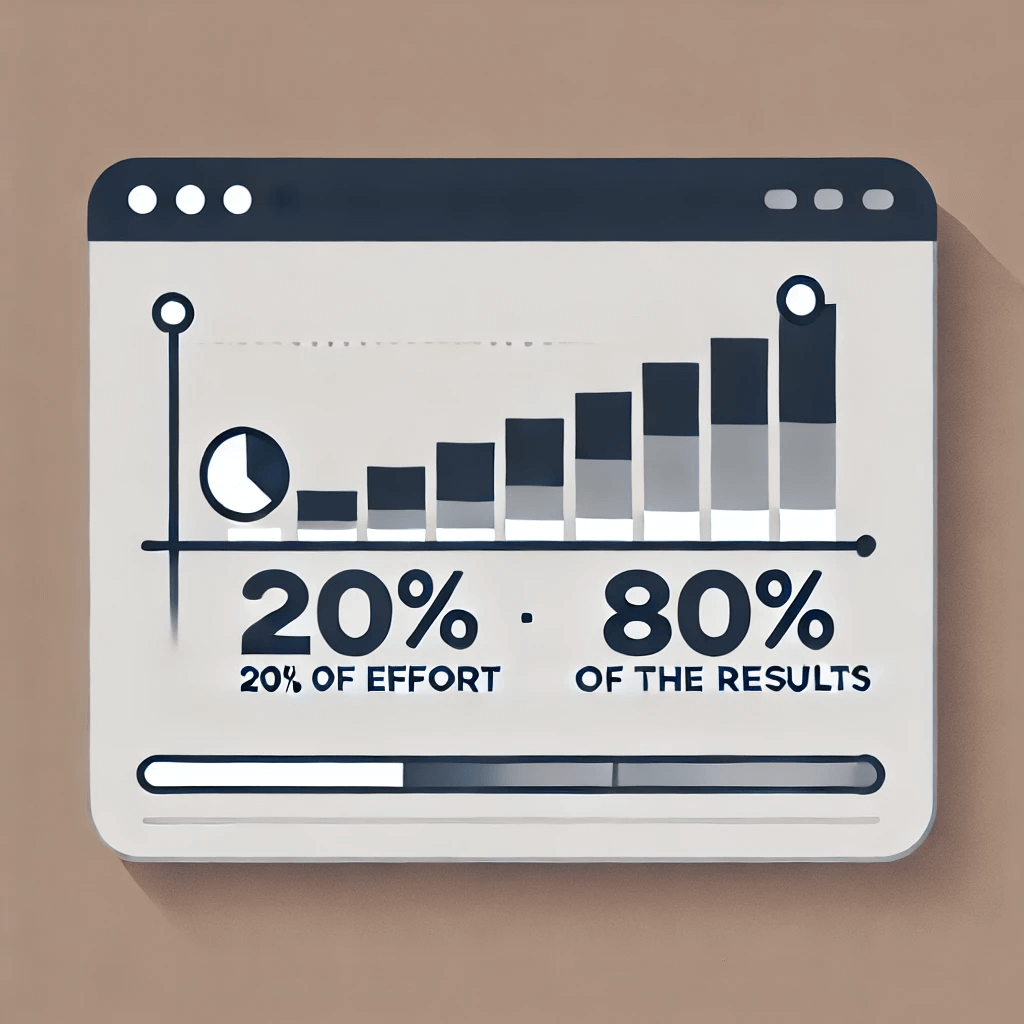
Sometimes the problem isn’t your site—it’s how scattered your message has become.
In today’s fast-paced digital landscape, capturing and maintaining attention is more critical than ever. Visitors to your website expect clarity and purpose in every interaction. When your message is scattered, it not only confuses visitors but also detracts from your brand’s credibility. Therefore, focusing on your core message is essential for effective engagement.
Many business owners face similar challenges. With an overwhelming number of options available, they often struggle to convey a single, cohesive message. This post aims to help you identify the areas where your content may be lacking focus and provide actionable steps to improve.
In fact, research shows that websites with clear, focused messaging experience higher conversion rates. By simplifying your content and targeting your audience effectively, you can significantly enhance user experience and drive better results.
When creating a services page, consider what your audience truly needs to know. Instead of listing every single service, highlight the top three offerings that solve the most significant problems for your clients. This targeted approach will guide potential customers directly to what they are looking for.
For blogs, focus on a select few keywords that align closely with your brand and audience interests. This not only improves your SEO but also provides a cohesive narrative across your content. For instance, rather than writing numerous fragmented posts, consider creating comprehensive guides that cover related topics in depth.
Every time a new idea arises, evaluate its relevance to your overall message. If it doesn’t align, it might be better suited for a different platform. This will help maintain a clear and focused direction in your content strategy.
Consolidating your content can lead to better user experiences. In a world where information overload is rampant, the ability to distill your message into its most potent form can set you apart from competitors.
Consider the last time you visited a website that was cluttered or confusing. Chances are, you quickly left in search of something more straightforward. Now, think about how you can prevent your visitors from experiencing the same frustration.
To ensure a seamless user journey, take note of the common focus killers that can disrupt visitor engagement. From misaligned messaging to excessive content, addressing these issues is crucial for improving site performance.
1. Every Page Feels Like a Landing Page
When every page on your website feels like a landing page, it can overwhelm your visitors. They might feel pressure to convert on every click, which can lead to decision fatigue. Instead, allocate each page a specific purpose—whether it’s to inform, engage, or convert.
For instance, your homepage can serve as an introduction to your brand while the services pages dive deeper into what you offer. This strategy ensures each page serves its intended audience effectively, thus creating a more focused experience.
2. You’re Over-Explaining Everything, Everywhere
While it’s important to provide adequate information, over-explaining can dilute your message and frustrate your visitors. When they encounter long-winded explanations, they may lose interest and navigate away from your site.
Trim unnecessary details and keep content concise while still informative. Aim for clarity over quantity—this approach will engage visitors and encourage them to explore further.
3. You’re Serving Too Many Audiences
When your content is trying to appeal to everyone, it often ends up resonating with no one. This scattershot approach can weaken your brand’s identity and dilute your message.
Identify your target audience and craft content tailored to their needs. By honing in on a specific group, you can create a more impactful message that encourages engagement and loyalty.
4. There’s No Narrative Flow
A compelling narrative flow guides visitors through your content in a meaningful way. If your CTAs are scattered among unrelated content or if information is presented without a clear structure, users may struggle to understand your message.
To create a smooth narrative flow, consider how you structure information across your site. Use headings, bullet points, and internal linking to create a cohesive journey that encourages exploration without overwhelming visitors.
Clarity Isn’t Just About Content—It’s About Control
Having too many pages can lead to confusion. Instead, focus on a few well-crafted pages that effectively tell your brand story. This streamlined approach not only enhances user experience but also builds trust with your audience.
During a 90-minute strategy session, we work together to refine your focus. This collaboration helps you discover what truly matters to both you and your audience, ensuring that your content is aligned with business goals and user expectations.
Ultimately, reclaiming attention requires dedication to clarity and purpose. By implementing these strategies, you can create a focused online presence that resonates with your target audience and drives meaningful engagement. Remember, a focused message not only captivates but also converts. Focus on what matters the most, and your audience will follow.
You’re not alone.
Business owners keep adding pages:
? A services page for every offering
? A blog for every keyword
? A new button every time an idea pops up
The result?
Your visitors don’t know where to go—because everything is yelling at once.
This post walks through 4 common focus killers I tackle during strategy calls, and what to do instead.
1. Every Page Feels Like a Landing Page
When every page tries to sell, convert, and tell your story—it’s exhausting to navigate.
Fix: We identify which pages should attract, which should educate, and which should convert—and reshape content accordingly.
2. You’re Over-Explaining Everything, Everywhere
You might think, “Let me put it all out there,” but long, detailed pages stacked with explanations often push people away.
Fix: I help trim 25–40% of what’s on your core pages—then show you how to link out only when needed.
3. You’re Serving Too Many Audiences
One page talks to CEOs. Another talks to tech teams. A third feels like it was written for Google.
Fix: We define your primary reader, and then realign your tone, offers, and content layout for that one person.
4. There’s No Narrative Flow
You might have a great message—but if it’s buried on a subpage, or your CTAs bounce between unrelated content, users just leave.
Fix: I map your visitor flow to match their intent—and use hierarchy, layout, and internal links to guide them without overloading them.
Clarity Isn’t Just About Content—It’s About Control
You don’t need 40 pages.
You need the right 6–8, telling the right story, in the right order.
That’s what I help uncover during a 90-minute strategy session—refining your focus and identifying what matters most to both you and your audience.